Elevate Your Designs with Watercolor Makeup Clipart
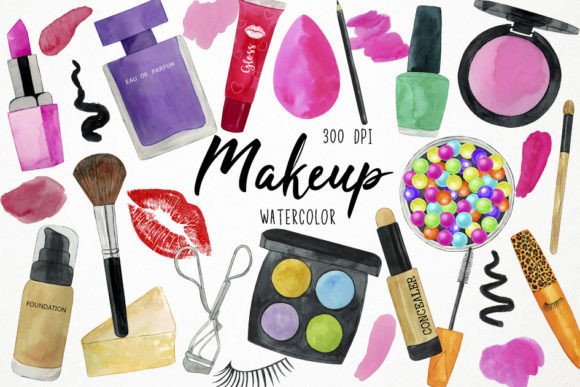
In the world of digital design, finding assets that feel both authentic and versatile is a constant challenge. We often sift through generic stock images that lack personality or overly stylized graphics that feel out of place in professional work. This is where a curated set of Watercolor Makeup Clipart changes the game. Imagine a collection of 28 hand-painted elements, each capturing the soft, blended, and textured essence of real watercolor art, but themed entirely around the beauty and cosmetics industry. This isn't just a random assortment of images; it's a cohesive toolkit designed for creators who understand that the right visual language can transform a project from ordinary to memorable.
The Visual Character and Authentic Appeal
The power of this Watercolor Makeup Clipart, Cosmetics collection lies in its genuine, hand-painted aesthetic. Unlike digital vector graphics that can feel sterile, these elements carry the subtle imperfections and fluidity of actual pigment on paper. You’ll see soft washes of color that bleed gently into one another, mimicking the application of blush, eyeshadow, or lipstick. The texture is palpable—there’s a graininess and transparency that adds depth and a tactile quality to any design. The palette likely spans from natural nudes and soft pinks to bold reds and mysterious purples, offering a range that can evoke everything from a fresh, minimalist look to a dramatic, glamorous statement.
This style has a distinct personality: it’s elegant, artistic, and inherently human. It speaks to a sense of craftsmanship and care, which is incredibly valuable in branding. For a small business in the beauty space—whether it’s a makeup artist, a skincare brand, or a cosmetics boutique—using these assets immediately communicates a level of artistry and attention to detail. It bridges the gap between the clinical and the creative, making it perfect for projects that need to feel both professional and personally crafted.
Strategic Applications for Designers and Brands
Understanding where this style excels is key to leveraging its full potential. In editorial design and blog graphics, these watercolor elements can serve as beautiful, non-distracting accents. They can highlight a quote, frame a product feature, or add visual interest to a sidebar without competing with the main text. For social media, they are gold. A subtle watercolor lipstick mark in the corner of an Instagram story or a soft eyeshadow wash as a background for a promotional post can dramatically increase engagement and brand recall. The organic feel is perfectly suited to the authentic, curated feeds that perform well on platforms like Instagram and Pinterest.
Beyond digital, the applications extend into tangible products. For packaging design, especially for artisanal or boutique brands, incorporating these hand-painted elements on boxes, labels, or tissue paper can create an unboxing experience that feels luxurious and thoughtful. In invitation design—think bridal showers, makeup masterclasses, or product launch events—these clipart pieces set a sophisticated and thematic tone from the very first glance. They can also be used to create unique patterns for stationery, phone cases, or even fabric prints for small-scale production.
Integrating into Your Brand Identity
For entrepreneurs and brand strategists, consistency is everything. This set of 28 PNG images provides a consistent visual thread that can be woven across multiple touchpoints. Using the same watercolor blush texture in your website header, your email newsletter graphics, and your business card creates a subtle but powerful brand signature. It builds recognition and reinforces a cohesive identity that feels curated and intentional. This is the essence of modern brand identity work—using distinctive design assets to tell a story and create an emotional connection with your audience.
Practical Guidance for Implementation
When you download this collection, you’re getting 28 high-resolution (300 DPI) PNG files with transparent backgrounds. This is crucial for versatility. The transparency allows you to layer these elements over any color, pattern, or photograph seamlessly. The high resolution ensures they will look crisp and professional in both digital screens and high-quality print projects, which is a common requirement for commercial font and asset licenses.
Here’s how to approach using them effectively:
- Evaluate Project Fit: Ask yourself if your project’s tone aligns with the artistic, handmade feel of watercolor. It’s ideal for beauty, wellness, lifestyle, fashion, and artisanal food brands. It might feel out of place in a corporate tech report, but could be perfect for a tech company’s internal wellness initiative materials.
- Consider Visual Hierarchy: Use these elements as accents, not primary content. A watercolor splash can draw the eye to a key piece of text or a call-to-action button, enhancing readability and guiding the viewer’s journey through your layout.
- Test Font Pairings: The organic nature of watercolor clipart pairs beautifully with clean, modern typography. Try combining them with a sans serif font for a contemporary look, or a elegant serif font for a more classic, editorial feel. Avoid overly decorative script fonts or handwritten fonts that might clash with the visual texture. The goal is balance—let the watercolor art be the decorative element, and your typography provide clarity.
- Leverage the Full Set: Don’t just use one or two pieces. Explore the entire collection to find elements that work together. You might use a lipstick mark as a bullet point, a blush gradient as a section divider, and a mascara wand as a decorative line. This creates a unified system.
- Mind the Background: While the transparent background is a strength, consider the color of the surface you place them on. Soft pastels will let the colors shine, while a dark background can make the lighter washes pop dramatically. Always test for contrast and legibility of any accompanying text.
Ultimately, this Watercolor Makeup Clipart set is more than just a collection of pretty pictures. It’s a strategic toolkit for injecting artistry, authenticity, and a touch of luxury into a wide array of projects. For the designer, it’s a time-saving asset that delivers professional, high-quality results. For the entrepreneur, it’s a means to build a distinctive and emotionally resonant brand. For the crafter or hobbyist, it’s a source of endless creative inspiration. By understanding its strengths and applying it thoughtfully, you can elevate your work and create visuals that truly connect with your intended audience.